

February 16, 2026
UI/UX in 2026: Designing Digital Products People Actually Enjoy
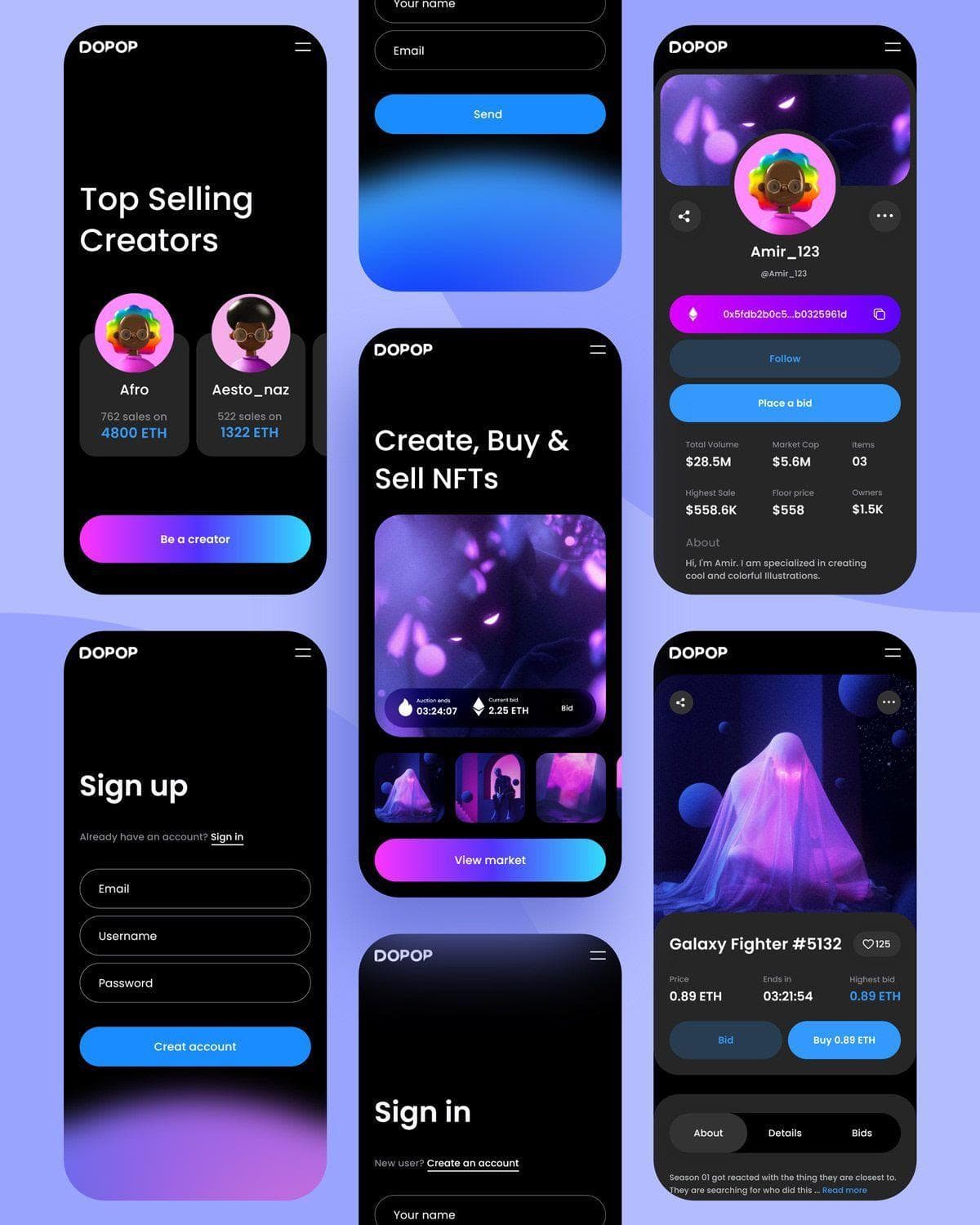
Introduction
UI/UX in 2026 is not just about making products look modern. It is about designing digital experiences that reduce friction, guide users clearly, and feel natural across every device. The best products today are the ones people barely have to think about because the interface supports them so well.
As digital products become more complex, good design plays an even bigger role in helping users move with confidence. Great UI creates visual clarity. Great UX creates flow, trust, and ease. Together, they shape how people feel about a product long before they think about features or pricing.
Why UI/UX Matters More Now
Users have more choices than ever, which means poor experiences are easier to abandon. If navigation feels confusing, flows are slow, or content is hard to understand, people leave quickly. Good UI/UX helps products retain attention, improve satisfaction, and increase the likelihood that users complete meaningful actions.
In 2026, design is directly tied to product success. It influences activation, conversion, retention, and trust. A product can have strong functionality, but if the experience feels frustrating, people will still perceive it as weak.
What Users Expect
Users expect interfaces that are clear, responsive, and easy to understand from the start. They want navigation that makes sense, feedback that feels immediate, forms that are simple to complete, and layouts that work beautifully on mobile as well as desktop. Above all, they expect products to respect their time.
That means good design is no longer just about beauty. It is about removing friction. Every unnecessary click, unclear label, or confusing decision point weakens the experience. Great UI/UX helps users focus on their goal instead of figuring out the interface.
The Balance Between Visual Design and Usability
Visual design still matters because first impressions shape perception. Typography, spacing, hierarchy, color, and imagery all influence how polished and trustworthy a product feels. But visual style should never come at the cost of clarity. Design that looks impressive but slows users down is not effective design.
The strongest products in 2026 balance brand expression with usability. They feel distinctive, but they also remain easy to navigate and understand. Good UI supports UX instead of competing with it.
Accessibility and Inclusivity
Accessibility is now a core expectation, not an optional enhancement. Products should work for a wide range of users with different needs, devices, and contexts. Clear contrast, readable text, keyboard-friendly flows, meaningful labels, and logical interactions all contribute to more inclusive design.
Inclusive design also improves the experience for everyone. When interfaces are easier to read, understand, and use, they become stronger products overall.
Best Practices for UI/UX in 2026
Prioritize clarity over decoration. Keep navigation simple and consistent. Design mobile-first without compromising larger screens. Use feedback states to make actions feel responsive. Reduce friction in key flows like onboarding, checkout, and form completion. Test designs with real users and improve based on actual behavior instead of assumptions.
Strong UI/UX teams also collaborate closely with product, content, and development. Great experiences are rarely created in isolation. They come from aligning design decisions with real user goals and business outcomes.
Conclusion
The future of UI/UX belongs to teams that combine strong visual design with usability, accessibility, and product thinking. In 2026, the products people love most are not just beautiful. They are thoughtful, efficient, and genuinely easy to use. That is what creates lasting digital experiences.